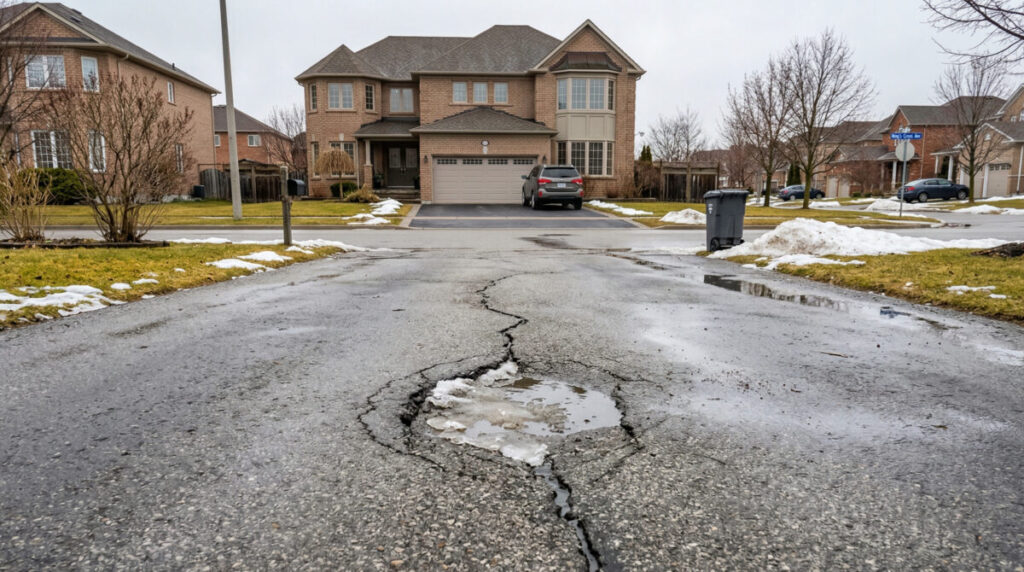
What causes cracks and potholes in asphalt driveways?
That tiny crack in your driveway? It’s about to get much worse. Right now, invisible forces are attacking your pavement.…

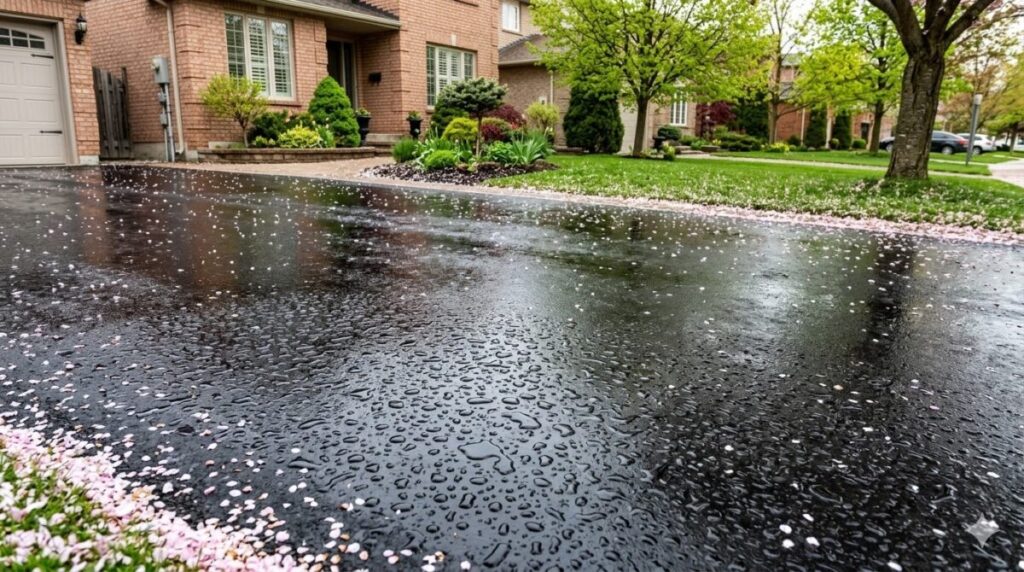
“How often should I seal my driveway?”
It’s the question GTA homeowners ask us most. The answer is simple: every 2-3 years. But understanding why this rule matters could save you thousands in repairs.
At No Limit Sealing, we’ve seen what happens when homeowners seal too often, too rarely, or not at all. This guide breaks down the 2–3-year rule and shows you how to protect your driveway from Ontario’s brutal weather.
Your asphalt faces two powerful enemies every year: summer sun and winter freeze-thaw cycles.
Summer Damage: UV Oxidation
Intense sunlight breaks down the oils that hold asphalt together. These “binders” give your driveway flexibility and that rich black color.
When UV rays attack:
Have you noticed your driveway looking faded and worn? That’s oxidation at work.
Winter Damage: The Freeze-Thaw Cycle
Asphalt is naturally porous. Tiny holes let water seep beneath the surface. Here’s what happens next:
Step 1: Melting snow or rain soaks into small cracks.
Step 2: Water settles in the gravel base underneath.
Step 3: Night temperatures drop. Water freezes and expands by 9%.
Step 4: Ice pushes the asphalt upward from below.
Step 5: Daytime warmth melts the ice. Empty pockets remain.
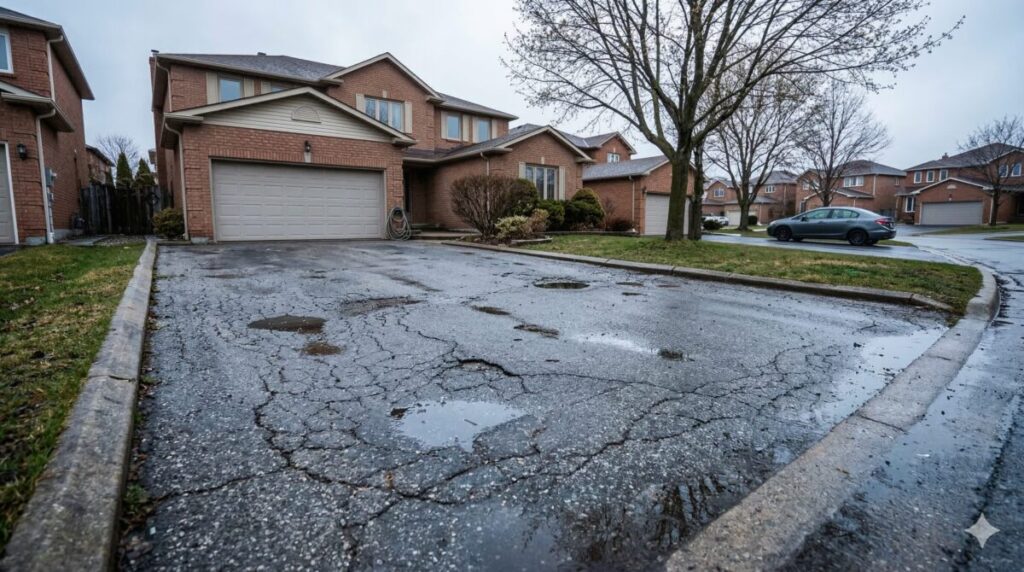
Step 6: Vehicles crush the unsupported surface. Cracks and potholes form.
In Vaughan, Richmond Hill, and Markham, this cycle repeats dozens of times each winter. Without proper sealing, your driveway takes a beating every single season.
Professional-grade sealant provides peak protection for 24-36 months. During this window, the coating acts as a sacrificial shield. It absorbs damage from sun, salt, and moisture so your expensive asphalt doesn’t have to.
Three Reasons This Interval Works Best
Sealed pavement can expand and contract with temperature swings. It bends instead of cracking.
Quality sealant stops up to 95% of moisture from reaching the base layer. No water means no freeze-thaw damage.
Fresh sealant restores that rich, dark appearance. Your property looks sharp and well-maintained—which boosts home value.
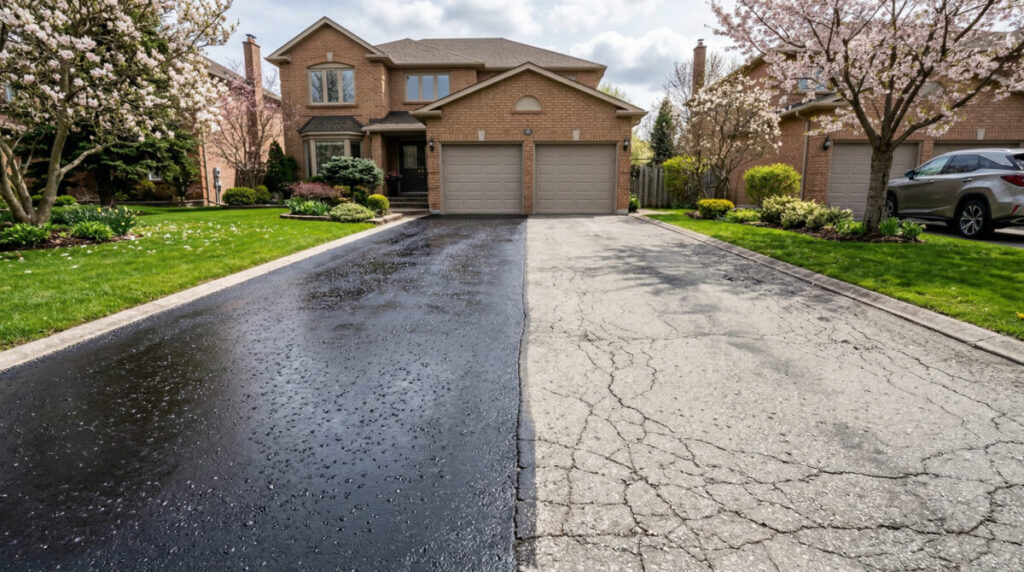
Some homeowners think yearly sealing keeps their driveway in perfect shape. Actually, over-sealing causes serious<img class="alignright wp-image-5109" src="https://nolimitsealing.com/wp-content/uploads/2026/03/image-2-2.jpg" alt="How Often To Seal Your Driveways – No Limit Sealing – Affordable Driveway Sealing, Interlock Sealing, Garage Ramp Installation, Driveway Extension, Crack Filling, Driveway Painting, Pressure washing, and Asphalt Maintenance in Vaughan, Richmond Hill, Maple, Markham, Woodbridge, Aurora – pothole repair and driveways maintenance” width=’350′ height=’626′ /> problems.
What Happens with Too Much Sealant
When you apply coats too frequently, layers build up on the surface. This thick buildup:
The very product meant to protect your driveway ends up destroying it.
Wait until the previous coat has worn down before applying fresh sealant. Our team always inspects existing layers first. If your driveway doesn’t actually need sealing, we’ll tell you honestly.
Why waste money on unnecessary work? We’d rather earn your trust and see you again in 2-3 years.
Exceptions: When the 2-3 Year Rule Changes
Every driveway is different. These factors might shift your ideal timeline.
Brand New Driveways: Wait Before Sealing
Just installed fresh asphalt? Don’t seal it right away.
New pavement needs 12 months to “cure” properly. Light oils in the mix must evaporate. The surface needs time to harden.
Seal too early and you’ll trap those oils inside. The result?
Our recommendation: Wait at least one full year before your first sealcoat application. Homeowners in King City and Newmarket often ask about this—patience pays off.
Heavy Traffic: Seal More Frequently
Does your driveway handle extra stress? Consider a 2-year cycle instead of 3 years if you have:
Extra weight and tire friction wear down sealant faster. Adjust your schedule accordingly.
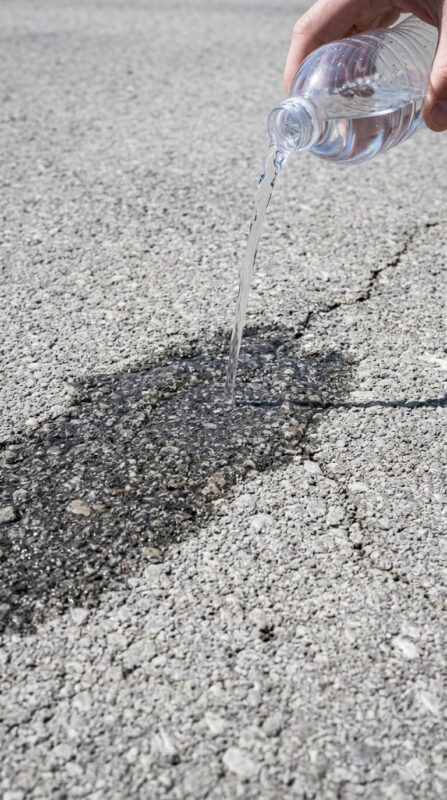 Notice water pooling on your driveway after rain? Standing water destroys sealant quickly—even premium products.
Before investing in more sealing, address the root cause:
Sealing over drainage problems just wastes money. Fix the water issue first, then protect your pavement.
Get Your Free Driveway Assessment
Contact No Limit Sealing today for a free, no-obligation estimate. Don’t leave your driveways to chance this winter. for a free, no-obligation estimate on driveway repair, concrete sealing, and interlocking services. Let us help you enter the next season with the confidence that your property is fully protected.
Our local experts will visit your property and provide an honest evaluation. We’ll tell you exactly what your driveway needs—and what it doesn’t.
🔹 Free detailed inspection
🔹 Honest recommendations
🔹 Transparent pricing
🔹 Work guaranteed to last
🔹 Spring appointments filling fast
Whether you’re in Vaughan, Richmond Hill, Markham, Toronto or anywhere in the GTA, we’re ready to help. Let us protect your investment and keep your home looking its best.
Your driveway works hard for you. Return the favor with professional sealing from No Limit Sealing.
For Our Driveway Maintenance Services – Click Here
See other services we offer:
To Learn More About Concrete Sealing – Click Here
For Our Interlock Maintenance Services – Click Here
For Our Interlock Construction Services – Click Here
For Our Catch Basin Repair Services – Click Here
For Our Pavement Crack Filling Services – Click Here
For any inquiries, service requests, or to schedule a consultation, please don’t hesitate to reach out to us. Our dedicated team is ready to provide you with expert advice, detailed estimates, and answers to all your questions. You can contact us through our online form, email, or by calling our customer service line. We’re committed to responding promptly and efficiently, ensuring your experience with us is smooth and satisfactory. Thank you for considering our services—we look forward to hearing from you and assisting with your project needs in the Greater Toronto Area.